
When the memory of someone you love starts to fail, you don't have to decide alone.
Have you noticed this at home?
Tick what has been happening with your father, your mother or your partner. If you wish, send it to our team: that way we understand your case from the very first message.
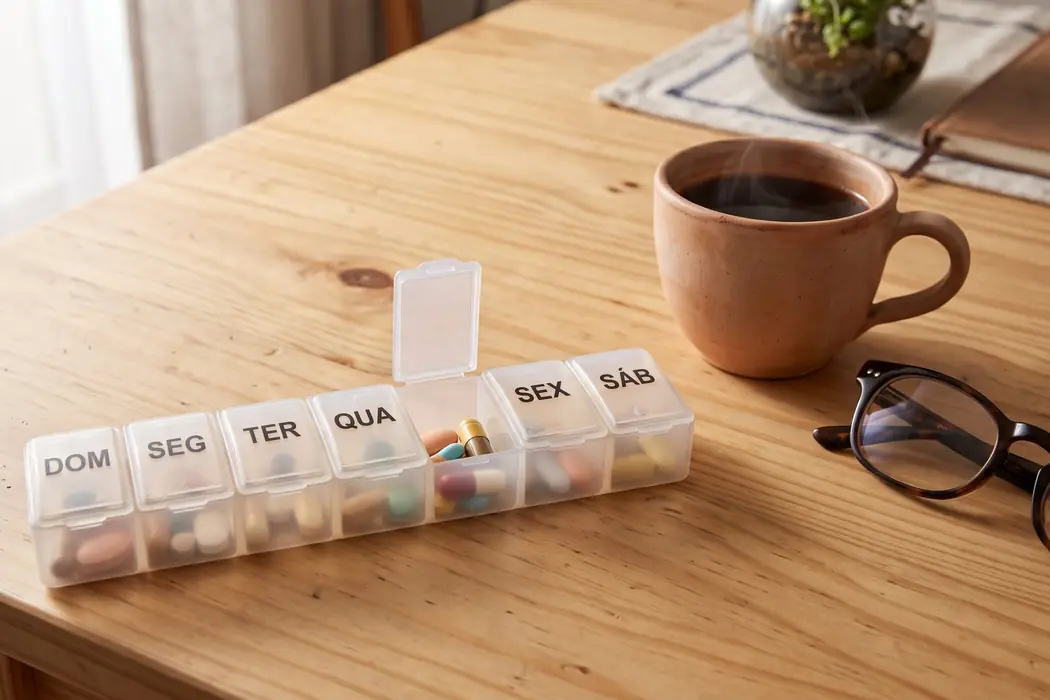
You are not alone.
None of these signs, on its own, confirms a diagnosis. But if something here has been repeating, an assessment is worth it: not to confirm the worst, but to know what is happening and what to do from now on.
Talk to our team on WhatsAppNothing is saved on this website. Your answers only go to WhatsApp if you send them.
Are you the one noticing the forgetfulness? Talk to our team
There is a great deal that can be done, and the best moment to start is now.
The FINGER study showed that a strategy combining nutrition, movement, management of cardiovascular risks and cognitive stimulation can improve cognitive performance in people at increased risk. That integrated view guides every care plan here.
25%
additional gain in global cognitive performance over two years*
2 years
of intervention combining healthy habits and cognitive stimulation
*Result observed in the FINGER study after two years, in older adults at increased risk, compared with the control group. It does not represent an individual guarantee or a treatment for dementia. Source: Ngandu et al., The Lancet, 2015.
Clarity from the first appointment. Continuous follow-up after it.
No leaving the consulting room with more questions than you arrived with.
Throughout the follow-up
Scheduled follow-up visits to track how things are going and adjust the plan whenever needed.
Contact with the team between appointments for the questions that come up day to day, without waiting for the next visit.
Program platform (web and app) for follow-up and communication with the team.
Reports for other doctors who are following the patient, so that everyone speaks the same language.
Guidance for those who care because the family is part of the care and also needs support.
We care for much more than memory
Recommendations follow clinical studies and current guidelines. Results vary from person to person and no treatment guarantees an outcome. Every recommendation is discussed with the patient and the family, with benefits, risks and limits.
Your father or mother won't go to the doctor? Start with the family.
This is very common. The person who is forgetting does not always notice it, or does not want to talk about it. So the first step can be a conversation with the family only, without the patient present.
We hear what you have been noticing at home and plan together the best way to reach the assessment, at a pace that works for the person being cared for.
I want to start with the family conversation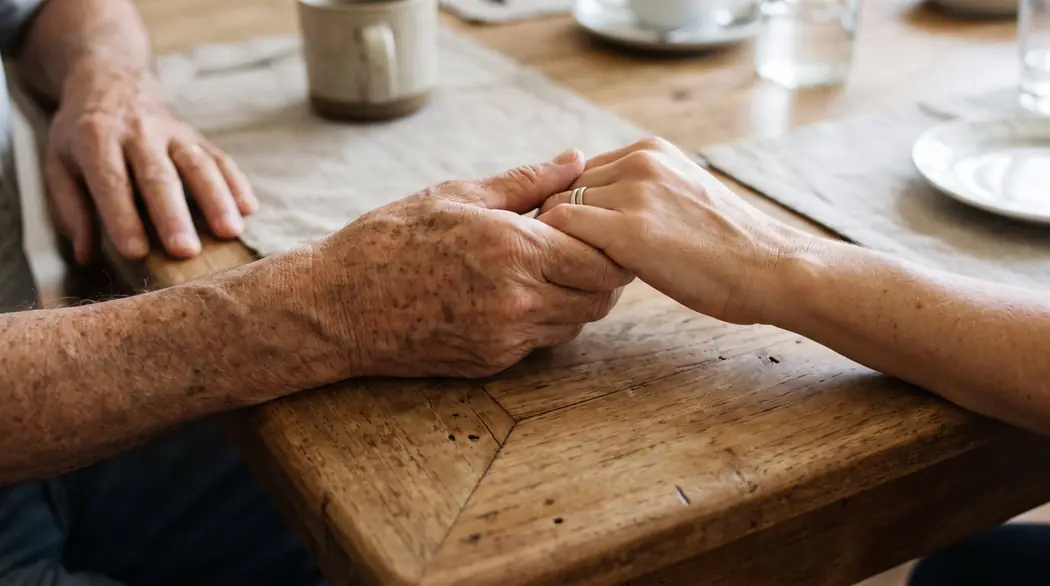
No one decides alone
Sons, daughters, spouses and carers take part in appointments, in person or from another city by video call. Difficult decisions are made together, with clear information.
Those who care also need care
The burden of caring is real. In the program, the family can ask the team questions between appointments and receives day-to-day guidance, so that life at home becomes lighter and safer.
Who leads the program
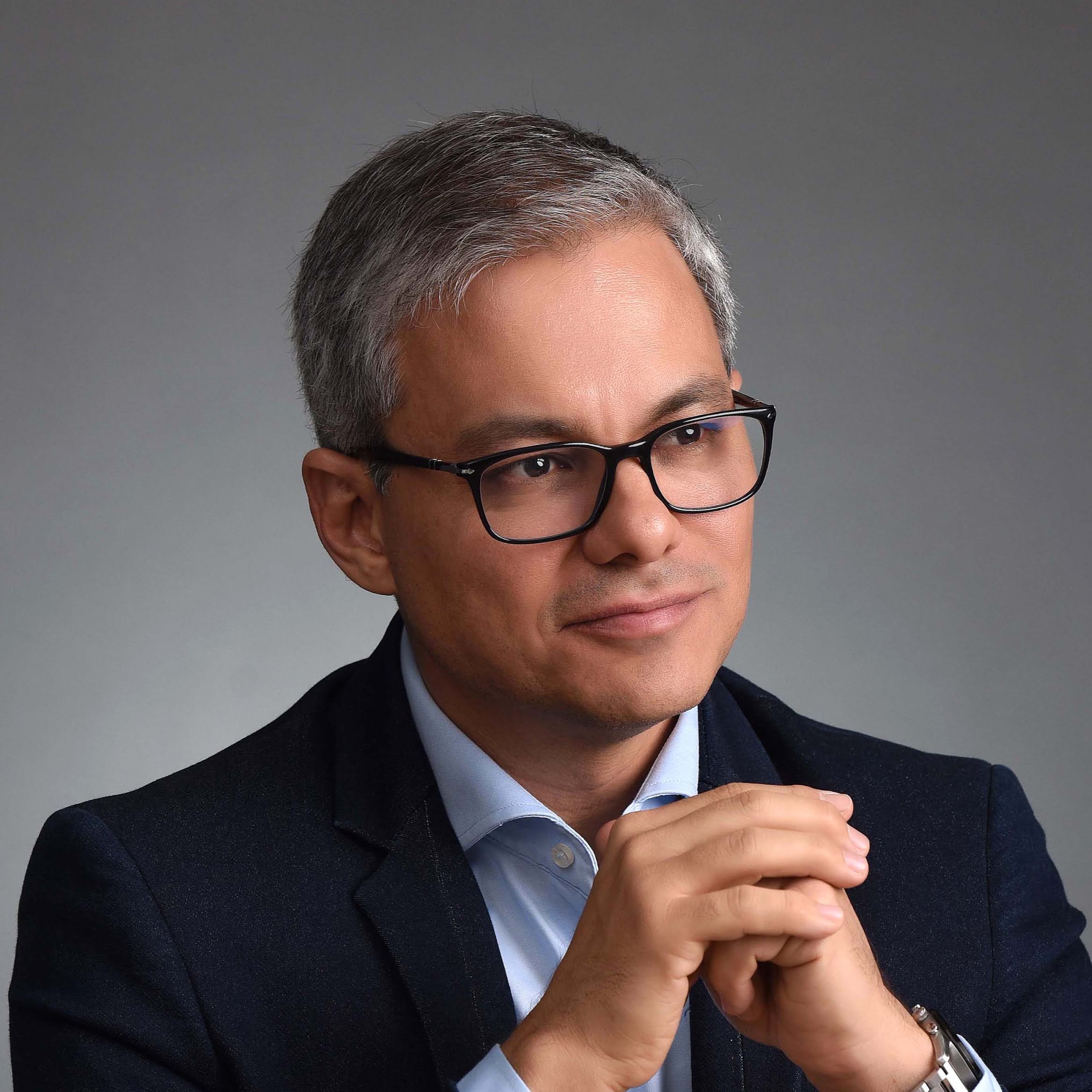
Dr. Thiago Junqueira
Neurologist • PhD in Sciences from USP • CRM 14667 BA • RQE No. 10753
I created Programa Mais Presença because I saw many families leaving rushed appointments with a difficult diagnosis and no plan. Not knowing what to expect, what to do at home or who to turn to when the next doubt appeared.
Here, care is continuous: we investigate carefully, explain calmly and stay close to the patient and to those beside them. I combine treatments that science has already proven with lifestyle medicine, because protecting the brain also runs through sleep, movement, nutrition and human connection.
My commitment is that no family goes through this path without guidance.
Each one in their own city. All in the same appointment.
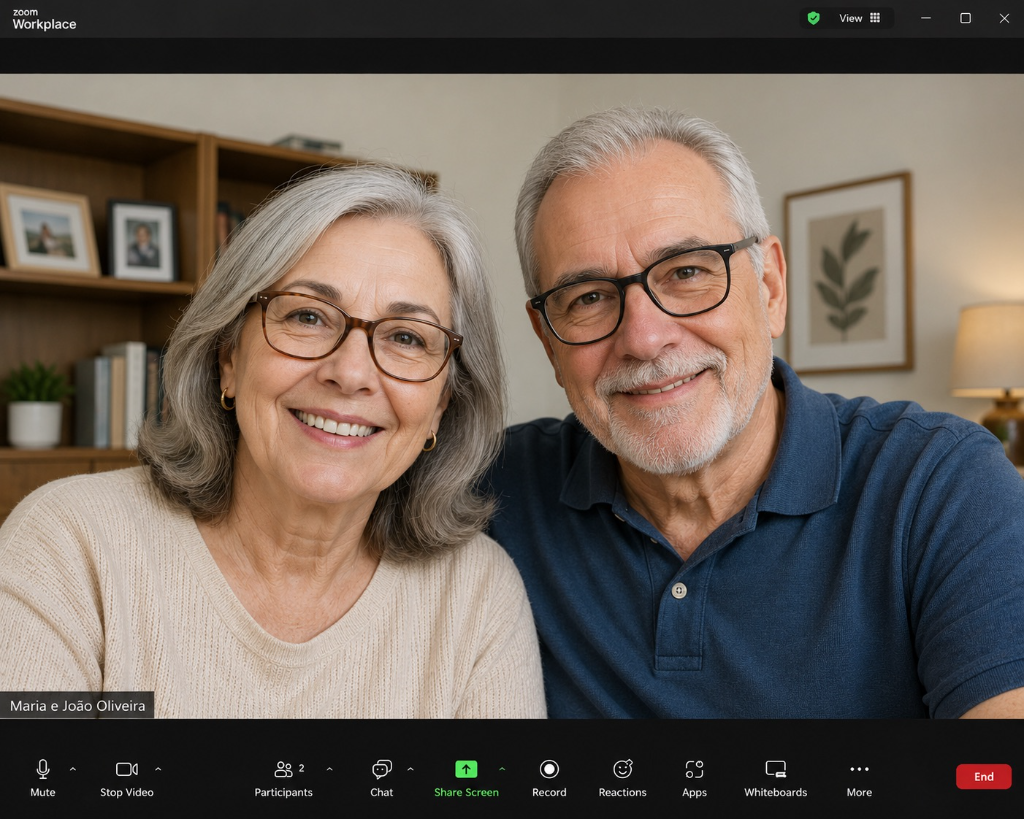
Many families live far apart. By video call, Programa Mais Presença follows the patient wherever they feel most comfortable, with the people who need to be there, from anywhere in Brazil.
The whole family in the same appointment
The patient at home, a son or daughter in another state, the carer beside them: everyone takes part at the same time and hears the same guidance.
Simple for older patients
All you need is a phone, tablet or computer and a link. A family member can help them join, with nothing complicated to install.
Secure and with the same care as the consulting room
Video calls are encrypted and data is protected, keeping the same standard as an in-person appointment.
Prefer in person?
We also see patients at the consulting room in Salvador.
Frequently asked questions
Not necessarily. Memory lapses have many causes, such as poor sleep, depression, the effect of medicines, hearing loss, thyroid changes or vitamin deficiency. In the initial assessment we investigate these possibilities. Even when there is mild cognitive impairment (a memory change greater than expected for the age, but which does not yet take away independence), the condition can remain stable for years, and in some cases improves when the contributing factors are treated.
There is no need to do everything at once. We introduce the pillars gradually, at each person's pace. Consistency matters more than perfection, and the family helps to create an environment that makes it easier.
You are part of the program. You can take part in online appointments, receive day-to-day guidance and help with decisions together with the patient. Caring for the carer is part of the plan.
People who notice lapses in their own memory, people with mild cognitive impairment or early-stage Alzheimer's disease, and also family members accompanying a father, mother or spouse in that situation. Eligibility is assessed individually during the initial consultation.
Not necessarily. In many cases the follow-up can be complementary, working in an integrated way with the treating doctor, including reports, to ensure continuity and quality of care, both for the patient and for those who care for them.
Prescribing is individual and depends on a clinical assessment. When there is an indication, therapies approved by ANVISA, the Brazilian regulatory agency, may be prescribed.
There is no fixed term. The follow-up is continuous and its duration is decided case by case, according to the clinical course and the needs of the patient and the family, with regular assessments and adjustments to the plan along the way.
Yes, and we encourage it. The involvement of sons, daughters or carers is one of the pillars of the program: it improves adherence to treatment and helps preserve the patient's independence for longer.
It is a detailed neurological consultation, in person or online, in which we review the clinical history, tests, current medicines and the concerns of the patient and the family. At the end, you receive a written plan with the next steps.
This is very common. The first step can be a conversation with the family only, without the patient present. After that, we plan together the best way to reach the assessment, at a pace that feels comfortable for the person being cared for.
Our team shares the fees and conditions on WhatsApp, before booking.
Yes. During the program you have contact with the team between follow-up visits and access to the program platform (web and app) for follow-up.
Simply contact us on WhatsApp to book an initial assessment. You can get in touch whether you notice changes in your own memory or you are accompanying a family member with these concerns. Our team will guide you through all the next steps.
The first step is a conversation.
Tell our team what has been happening. We explain how the assessment works, the fees and the best path for you and your family.
The sooner forgetfulness is investigated, the more can still be done.